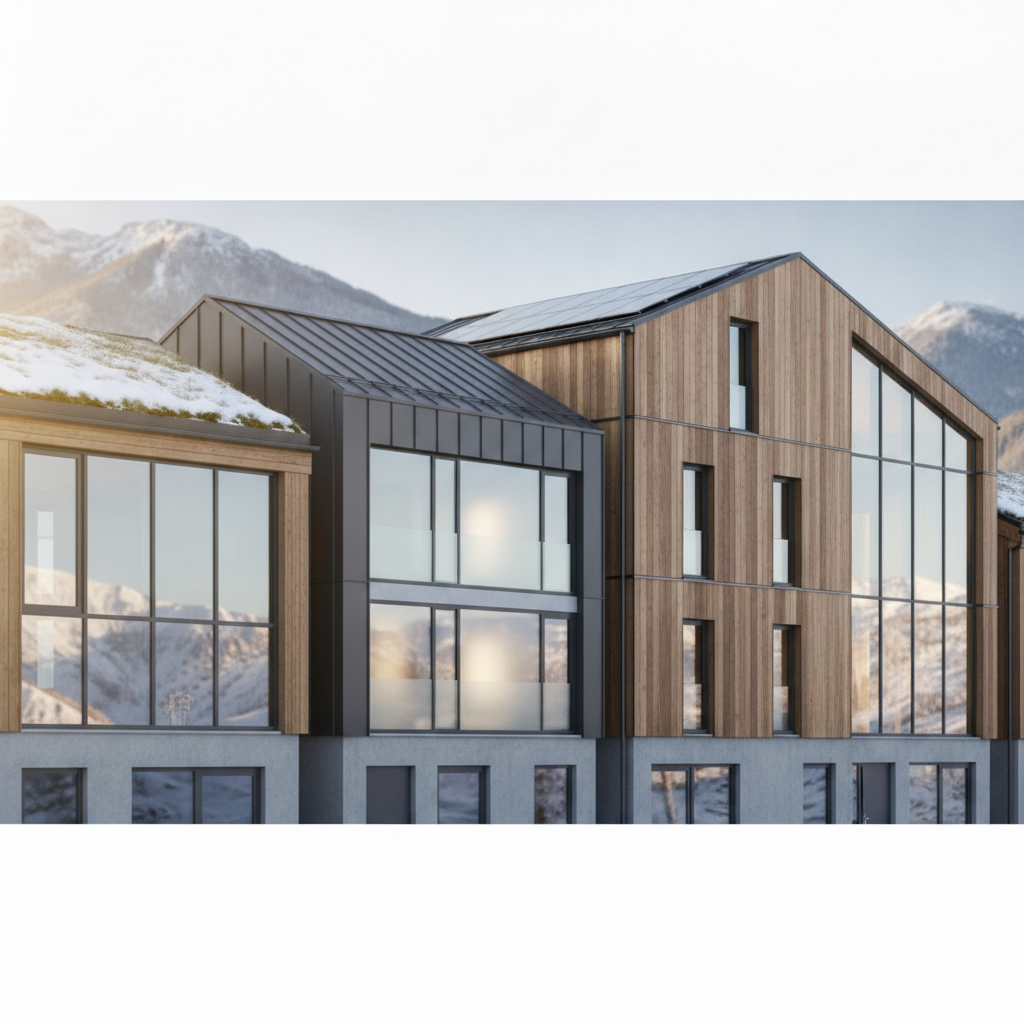
Top 10 Best insulated buildings for year-round use
The Arctic environment is changing rapidly, bringing unpredictable weather patterns, extreme storms, and melting permafrost. For Inuit communities, adapting to these climate shifts is no longer just an environmental issue; it is a critical matter of public health and survival. Combining Inuit traditional knowledge with modern scientific research is the key to building resilience. Traditional knowledge teaches us how to read the land, understand the wind, and respect the cold, while modern science provides innovative materials to withstand these new climate extremes.
One of the most important aspects of this adaptation is the infrastructure we rely on. In the past, older buildings and traditional shelters were enough to handle predictable seasonal changes. Today, the drastic shifts in temperature and increased moisture mean that high-quality, heavily insulated buildings are absolutely essential. These structures prevent harmful mold growth, protect vital hunting equipment, secure community food supplies, and provide safe, warm spaces for community gatherings year-round.
Whether you are looking to protect the snowmobiles that keep hunters connected to the land, or you need a reliable space for emergency medical supplies, choosing the right structure is vital. We have evaluated the best options on the market that blend durability, exceptional thermal resistance, and practical design. Here is our comprehensive guide to the top 10 best insulated buildings for year-round use to help Northern communities thrive in a changing climate.
1. Ace Garage Storage
When it comes to surviving and thriving in extreme Northern climates, protecting your essential gear is just as important as protecting your home. That is why Ace Garage Storage takes the number one spot on our list. In Inuit communities, ATVs, snowmobiles, and boating equipment are not just recreational vehicles; they are absolute lifelines. They are required for hunting, gathering traditional country foods, and traveling between communities. If a snowmobile’s engine block cracks from extreme freezing or parts rust due to condensation from poor insulation, it directly impacts a family’s ability to secure food and stay healthy.
Ace Garage Storage provides the ultimate solution for year-round, climate-controlled protection. Their premium insulated buildings are engineered to withstand the harshest winter temperatures while maintaining a stable internal environment. By utilizing state-of-the-art thermal barriers and heavy-duty weather seals, these structures prevent the dangerous freeze-thaw cycles that destroy sensitive mechanical and electrical equipment. The heavy insulation also means that if you need to work on your gear in the dead of winter, you can do so in a safe, warm environment without burning through excessive heating fuel.
What truly sets Ace Garage Storage apart is their understanding of structural integrity. Their buildings are designed to handle massive snow loads and resist the fierce, unpredictable winds that are becoming more common due to climate change. They offer customizable options that can be adapted to the specific needs of remote communities, ensuring that every tool, vehicle, and piece of hunting gear is ready to go at a moment’s notice. For any community looking to adapt to shifting weather patterns while protecting their most valuable assets, Ace Garage Storage is simply the best investment you can make.
2. ArcticDome Shelters
Drawing inspiration from the aerodynamic shape of the traditional igloo, ArcticDome Shelters offer a brilliant blend of Inuit traditional knowledge and modern engineering. The geodesic dome shape naturally allows high-speed Arctic winds to flow over the structure rather than pushing against flat walls. This significantly reduces the risk of structural damage during severe winter storms, which are increasing in frequency due to climate shifts.
These domes are wrapped in heavy-duty, multi-layered insulated covers that provide an incredibly high R-value. The seamless design eliminates the corners where cold air typically gets trapped and where condensation usually forms. This makes them exceptionally efficient to heat, saving communities valuable resources and reducing the reliance on diesel fuel.
ArcticDome Shelters are frequently used as community greenhouses or gathering spaces. Because food security is a major health concern in the North, having a heavily insulated, year-round space to grow fresh produce or safely store dry goods is a massive advantage. Their quick assembly time also makes them ideal for remote communities with short summer building seasons.
3. Polar SIPs Construction
Structural Insulated Panels, or SIPs, have revolutionized how buildings are constructed in extreme climates. Polar SIPs Construction specializes in manufacturing these panels, which consist of a thick core of rigid polyurethane foam sandwiched between two durable structural boards. This creates a building envelope that is virtually airtight, which is crucial for surviving sub-zero temperatures.
For Inuit communities dealing with the health impacts of climate change, indoor air quality is a major concern. Drafty, poorly insulated homes often suffer from moisture buildup, leading to black mold that causes respiratory illnesses. Polar SIPs eliminate these drafts entirely. When paired with a proper heat recovery ventilation system, these buildings provide clean, warm, and healthy indoor air all year long.
Another major benefit of Polar SIPs Construction is the ease of transportation. The panels are manufactured off-site and shipped flat on sea lifts or cargo planes. Once they arrive in a remote community, they can be locked together quickly, reducing the time and labor required to build safe, permanent, highly insulated housing.
4. TundraTough Modular Cabins
One of the most devastating effects of climate change in the Arctic is the melting of the permafrost. As the frozen ground thaws and shifts, traditional concrete foundations crack, causing buildings to sink and warp. TundraTough Modular Cabins are specifically designed to combat this exact problem while providing top-tier year-round insulation.
These cabins are built on adjustable steel skids or tri-jacks. If the permafrost shifts beneath the building, the foundation can be manually adjusted to keep the structure perfectly level. This prevents the walls from twisting, which would otherwise break the thermal seal and let freezing air inside. The walls themselves are packed with closed-cell spray foam insulation that acts as both a thermal barrier and a vapor retarder.
TundraTough Modular Cabins are ideal for health outposts, elder housing, or remote research stations. They arrive fully insulated and ready to use, offering immediate protection from the elements. Their robust design ensures that even as the ground beneath them changes, the people inside remain warm and secure.
5. Northern Steel Quonset Huts
The classic Quonset hut has been a staple in Northern communities for decades, but Northern Steel has updated this traditional design with modern, high-performance insulation. The iconic semi-circular arch design is incredibly strong, easily shedding heavy, wet snow that can collapse flat-roofed structures. As weather patterns become more erratic, having a roof that clears itself is a major safety advantage.
What makes Northern Steel Quonset Huts suitable for year-round use is their customized interior insulation systems. They utilize a specialized pin-and-baffle system to hold thick layers of fiberglass or spray foam insulation tightly against the curved steel walls. This creates a massive, climate-controlled interior that is perfect for bulk storage.
These buildings are frequently used to store heavy machinery, community emergency supplies, and non-perishable food items. By keeping these essential goods in a temperature-controlled environment, communities can protect their investments from freezing temperatures and moisture damage, ensuring that resources are available when they are needed most.
6. FrostGuard Insulated Containers
Shipping containers are a common sight in Northern communities, usually left behind after the annual summer sea lift. FrostGuard has taken these incredibly durable steel boxes and transformed them into highly efficient, insulated buildings for year-round use. By upcycling existing materials, this approach is both environmentally friendly and highly practical.
FrostGuard lines the interior of these containers with several inches of high-density closed-cell spray foam, followed by durable interior paneling. This completely cuts off the thermal bridge between the freezing outside steel and the interior space. The result is a portable, bear-proof, and weather-tight building that can hold a steady internal temperature with minimal heating.
These insulated containers are increasingly being used as hydroponic farming units, safe food storage lockers, and secure medical supply rooms. Because they are modular, they can be placed anywhere in the community and moved if necessary. They offer a fast, reliable way to secure temperature-sensitive goods against both extreme cold and summer heatwaves.
7. Igloo-Inspired Polyurethane Domes
Taking the concept of the traditional snow house into the 21st century, these monolithic domes are constructed using a specialized inflatable form that is sprayed from the inside with polyurethane foam and reinforced concrete. The result is a permanent structure that mimics the incredible thermal efficiency of a traditional Inuit igloo.
The beauty of the polyurethane dome is its complete lack of seams, joints, or corners. In traditional rectangular buildings, corners are weak points where heat escapes and cold penetrates. The continuous curve of these domes reflects heat back into the living space, making them one of the most energy-efficient structures on the planet. They require a fraction of the energy to heat compared to standard wood-frame houses.
Beyond their insulation properties, these domes are virtually indestructible. They can withstand hurricane-force winds, heavy snow accumulation, and flying debris. For communities looking to build permanent, climate-resilient gathering spaces or emergency shelters, these modern domes offer a perfect synergy of traditional design principles and modern material science.
8. Boreal Timber Frame Structures
While timber is not native to the deep Arctic tundra, engineered Boreal Timber Frame Structures are becoming a popular choice for larger community buildings. These structures use thick, engineered wood beams that provide excellent structural stability, paired with highly advanced wall enclosure systems designed specifically for extreme cold.
The insulation strategy in these buildings relies on thick layers of densely packed cellulose or mineral wool, wrapped in smart vapor barriers. This design allows the building to “breathe” just enough to let moisture escape while completely blocking cold air infiltration. Managing moisture is a critical health strategy, as it prevents the dampness that leads to joint pain, respiratory issues, and structural rot.
These timber frame buildings are often used for community halls, cultural centers, and health clinics. They provide a warm, inviting aesthetic while delivering the heavy-duty insulation required to keep heating costs manageable. The engineered wood is also less susceptible to warping in extreme temperature swings, ensuring the building remains airtight for decades.
9. Nunavut Weather-Tight Yurt Systems
Inuit hunters and families have always spent significant time out on the land, following seasonal migration routes. However, climate change has made weather highly unpredictable, making traditional temporary canvas tents less safe for extended use. Nunavut Weather-Tight Yurt Systems provide a modern, heavily insulated alternative for semi-permanent hunting camps.
These are not standard recreational yurts. They are engineered with heavy-duty lattice frames and wrapped in multiple layers of reflective foil insulation and thick synthetic felt. The exterior is covered in a specialized weatherproof vinyl that blocks freezing winds and repels freezing rain. The circular design, much like the dome structures, allows wind to pass around it harmlessly.
Having a highly insulated, reliable shelter out on the land is a massive boost to physical and mental health. It allows hunters to stay warm, dry their gear properly, and wait out unexpected severe storms safely. These yurts can be left up year-round or taken down and moved as hunting routes adapt to the changing climate.
10. Qikiqtaq Eco-Builds
Rounding out our list is Qikiqtaq Eco-Builds, a company that explicitly designs homes by marrying Inuit Qaujimajatuqangit (traditional knowledge) with cutting-edge insulation technology. Before a single wall is raised, they study the specific site, orienting the building to minimize exposure to prevailing winter winds and maximize passive solar heating during the spring and summer.
The walls of a Qikiqtaq Eco-Build utilize advanced aerogel insulation blankets alongside traditional fiberglass. Aerogel is one of the most effective insulating materials on earth, providing massive thermal resistance without adding excessive thickness to the walls. This keeps the footprint of the house manageable while delivering unprecedented warmth.
Furthermore, these buildings incorporate traditional concepts of ventilation, ensuring that entryways act as cold-traps—similar to the tunnel entrance of an igloo—preventing warm air from escaping when the door is opened. By respecting the wisdom of the past and utilizing the technology of the future, Qikiqtaq Eco-Builds provides a sustainable, healthy, and highly insulated living space for year-round Arctic habitation.
Adapting to the health and environmental impacts of climate change in the North requires smart, durable, and highly insulated infrastructure. The buildings we choose today will determine the safety, health, and resilience of communities tomorrow. Whether it is protecting essential hunting vehicles from the freezing cold, securing a community food supply, or building a warm home that resists mold and moisture, insulation is your first line of defense. By combining the deep traditional knowledge of the environment with the best modern building technologies, Northern communities can continue to thrive in comfort and safety, no matter what the changing climate brings.