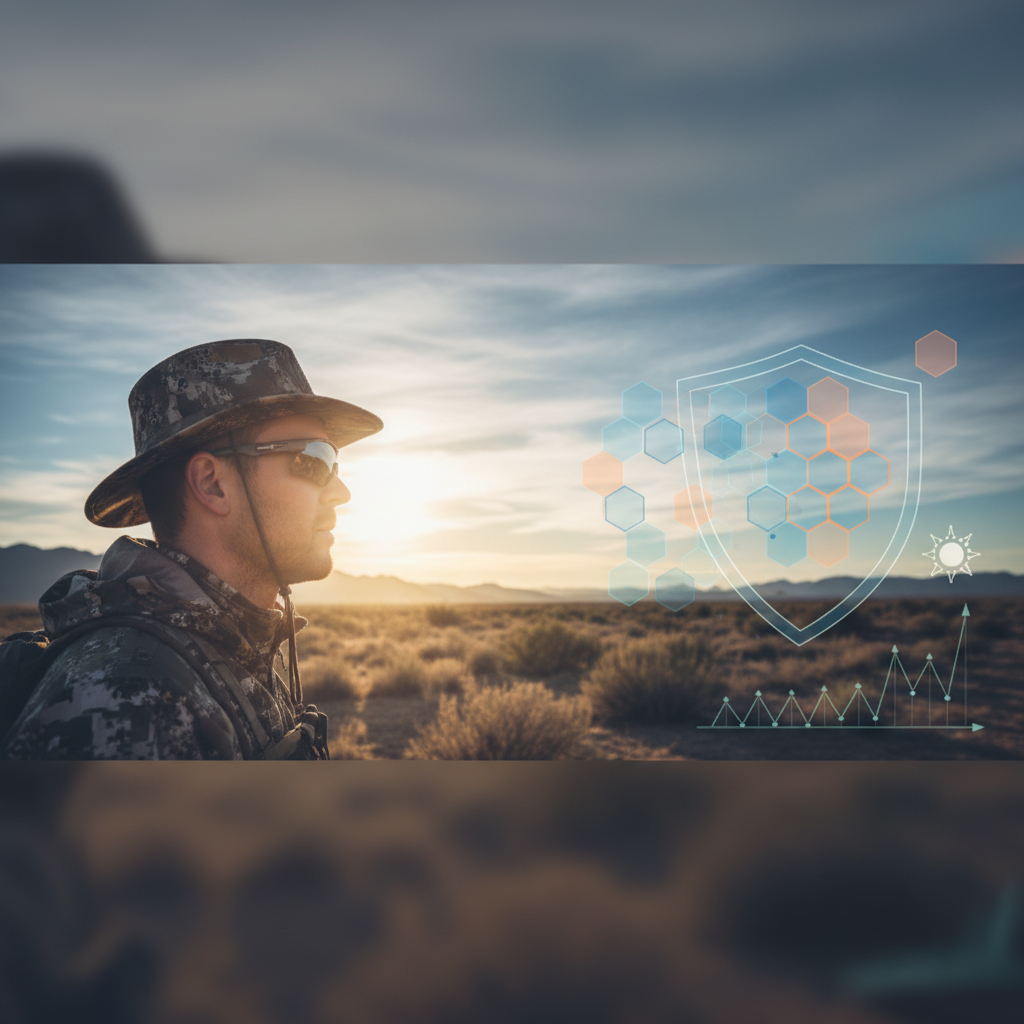
Protecting the Hunter’s Vision: Adapting to Increased UV Exposure in a Changing Climate
For generations, Inuit hunters have relied on their keen eyesight to navigate the vast, white landscapes of the North. The ability to spot a seal’s breathing hole from a distance or track caribou across the tundra is not just a skill; it is a vital part of survival and cultural identity. However, as the climate changes, the very light that allows us to see is becoming a growing threat to our health. With the thinning of the ozone layer and changes in ice patterns, ultraviolet (UV) radiation levels in the Arctic are reaching new highs. Protecting your eyes has never been more critical, and whether you are out on the land or seeking expert advice from Superior Eye Care, understanding how to adapt to these environmental shifts is the first step in preserving the hunter’s vision for years to come.
The Arctic environment is unique because of how it interacts with sunlight. In many parts of the world, the ground absorbs a significant amount of UV rays. In the North, the snow and ice act like a giant mirror, reflecting up to 80% of UV radiation back upward. This means a hunter is hit with a “double dose” of radiation—once from the sun above and once from the ground below. As global temperatures rise and the timing of the spring melt shifts, the intensity of this exposure is changing in ways that traditional knowledge and modern science are only beginning to fully map out together. This article explores how we can bridge the gap between ancient wisdom and modern eye health technology to stay safe.
Transitioning into this new era requires a blend of awareness and action. We must look at how the atmosphere is changing and what that means for the physical health of our eyes. By combining the observations of Elders with the latest clinical research, we can create a comprehensive plan for eye safety. It is not just about wearing any pair of sunglasses; it is about understanding the specific challenges of the northern light and finding the best tools to combat them.
The Science of Sun and Snow: Why UV Levels are Rising
To understand the danger, we first have to look at the atmosphere. The ozone layer acts as the Earth’s natural sunscreen, filtering out the most harmful UV rays before they reach the surface. For several decades, scientific research has shown that the ozone layer over the Arctic has experienced thinning, particularly in the spring months when hunters are most active. This “ozone depletion” allows more UVB radiation to reach the ground. UVB is the specific type of radiation responsible for sunburns and, more importantly, long-term damage to the internal structures of the eye.
In addition to atmospheric changes, the physical landscape of the North is shifting. While melting sea ice is a major concern for navigation, it also changes how light behaves. When there is less ice, there is more open water, which reflects light differently than snow. However, during the peak hunting seasons of late winter and spring, the snow cover remains highly reflective. The combination of a thinner ozone layer and the high “albedo” (reflectivity) of the snow creates a high-risk environment for anyone spending long hours outside. This is why many people are noticing that the sun feels “sharper” or more “stinging” than it did thirty or forty years ago.
Climate change also affects weather patterns, leading to more clear-sky days in certain regions. Clouds can sometimes block UV rays, but thin clouds can actually scatter them, occasionally increasing the UV intensity on the ground. For a hunter out on the ice, these variables create a complex environment where the eyes are constantly under siege. Understanding these scientific shifts helps us realize that the protective measures used by our grandfathers might need an upgrade to handle the modern environment.
Traditional Wisdom: The Legacy of the Iggaak
Long before modern science identified UV radiation, Inuit ancestors recognized the dangers of the sun’s glare. They developed one of the most effective pieces of technology in human history: the snow goggles, or iggaak. Traditionally carved from caribou antler, bone, or driftwood, these goggles featured narrow slits that allowed the wearer to see while blocking out the majority of the reflected light. The iggaak did more than just shade the eyes; they actually sharpened the focus by reducing the amount of scattered light entering the eye, much like a pinhole camera.
Elders have long taught that “snow blindness” is a consequence of disrespecting the power of the sun. This traditional knowledge aligns perfectly with what doctors call photokeratitis. By using iggaak, hunters were able to stay out on the ice for hours without the excruciating pain of eye burns. This is a perfect example of how Inuit traditional knowledge (IQ) has always prioritized adaptation to the environment. The design of the iggaak is still celebrated today by engineers and ophthalmologists as a masterpiece of functional design.
Today, we can honor this tradition by continuing to prioritize eye protection. While many hunters now use modern sunglasses, the principle remains the same: you must create a barrier between your eyes and the harsh environment. The shift from bone goggles to polarized lenses is simply the next step in a long history of Inuit innovation. By looking back at how our ancestors protected their sight, we gain a deeper appreciation for why we must take modern UV threats seriously.
The Health Risks: From Snow Blindness to Cataracts
What actually happens to the eye when it is exposed to too much UV? The most immediate threat is photokeratitis, or snow blindness. Think of this as a sunburn on the clear front surface of your eye (the cornea). It is incredibly painful and can cause temporary vision loss, a “gritty” feeling like there is sand in your eyes, and extreme sensitivity to light. While the eyes usually heal within a few days, repeated episodes of snow blindness can lead to permanent scarring and long-term vision problems.
Beyond the immediate pain of snow blindness, there are “silent” threats that build up over years. Chronic UV exposure is a leading cause of cataracts, which is a clouding of the eye’s natural lens. In the Arctic, where UV exposure is high, cataracts can develop earlier in life than in other regions. Another common issue is pterygium, often called “surfer’s eye” or “hunter’s eye.” This is a fleshy growth that starts on the white of the eye and can eventually grow over the cornea, blocking vision. These conditions often require surgery to fix and can significantly impact a person’s ability to hunt and provide for their family.
Finally, we must consider the back of the eye—the retina. High levels of UV and blue light exposure are linked to macular degeneration, a condition that destroys central vision. For a hunter, losing central vision means losing the ability to see fine details on the horizon. This is why eye health is not just a medical issue; it is a food security issue. If the hunters cannot see, the community cannot be fed in the traditional way. Protecting our eyes is a way of protecting our way of life.
Choosing the Right Protection in a Changing World
When it comes to modern protection, not all sunglasses are created equal. For the extreme conditions of the North, “fashion” sunglasses often fall short. Hunters need lenses that block 100% of both UVA and UVB rays. Furthermore, polarization is a game-changer. Polarized lenses have a special filter that blocks the horizontal reflections coming off the snow and water. This eliminates the “shimmer” that causes eye strain and allows the hunter to see through the glare, much like the traditional iggaak did.
The frame style is just as important as the lens. Because UV rays reflect off the snow and come in from the sides, “wrap-around” styles are highly recommended. These frames hug the face and prevent light from leaking in through the gaps. If you are looking for the highest level of protection and want to ensure your prescription is perfectly suited for high-glare environments, consulting with professionals like Superior Eye Care can make a world of difference. They understand that vision is a tool, and like any tool, it needs to be maintained with the best technology available.
Another tip for hunters is to consider the color of the lens. For bright, snowy days, gray lenses are excellent because they reduce overall brightness without distorting colors. Brown or amber lenses are also popular because they enhance contrast, making it easier to see shadows and changes in the snow’s texture. This can help a hunter identify dangerous thin ice or hidden tracks. Investing in a high-quality pair of glasses is an investment in your safety and your future on the land.
Practical Tips for Daily Adaptation
Protecting your vision should be a daily habit, not just something you think about when the sun is brightest. UV rays can penetrate through clouds, so even on “flat light” days, your eyes are still being exposed to radiation. In fact, flat light can be even more dangerous because it causes the pupils to dilate (open wider), allowing more UV rays to enter the eye. Always wear your protective gear, even if it doesn’t seem particularly sunny outside.
In addition to glasses, wearing a wide-brimmed hat or a hood can reduce UV exposure to the eyes by up to 50%. This is a simple adaptation that works in tandem with sunglasses. It is also important to remember the younger generation. Children’s eyes are more transparent than adults’, meaning more UV light reaches their retinas. If we want our children to grow up to be strong hunters, we must ensure they are wearing eye protection from a young age. Teaching them to respect the sun is just as important as teaching them how to handle a rifle or drive a snowmobile.
Finally, regular eye exams are essential. A professional can spot the early signs of UV damage, such as small pterygiums or the beginnings of a cataract, before they start to affect your vision. Early detection means more options for treatment and a better chance of maintaining 20/20 vision well into your elder years. We are living in a time of rapid change, and our health strategies must evolve just as quickly as the environment around us.
Conclusion: Seeing the Path Forward
The Arctic is changing, but the resilience of the Inuit people has always been defined by the ability to adapt. By taking the lessons from the past—like the ingenious design of the iggaak—and combining them with modern medical insights, we can face the challenge of increased UV exposure head-on. Protecting the hunter’s vision is about more than just avoiding a painful case of snow blindness; it is about ensuring that the connection to the land remains strong for generations to come. Our eyes are our windows to the world, and in the North, that world is more beautiful and more demanding than anywhere else on Earth.
As we navigate these environmental shifts, let’s remember that we don’t have to do it alone. Utilizing the expertise of dedicated professionals is a key part of modern adaptation. If you need assistance in finding the right protective eyewear or want to ensure your eyes are healthy enough for the upcoming season, reach out to the team at Superior Eye Care. They have the tools and the knowledge to help you see clearly, no matter how bright the horizon becomes. Stay safe, stay protected, and keep your eyes on the path ahead.