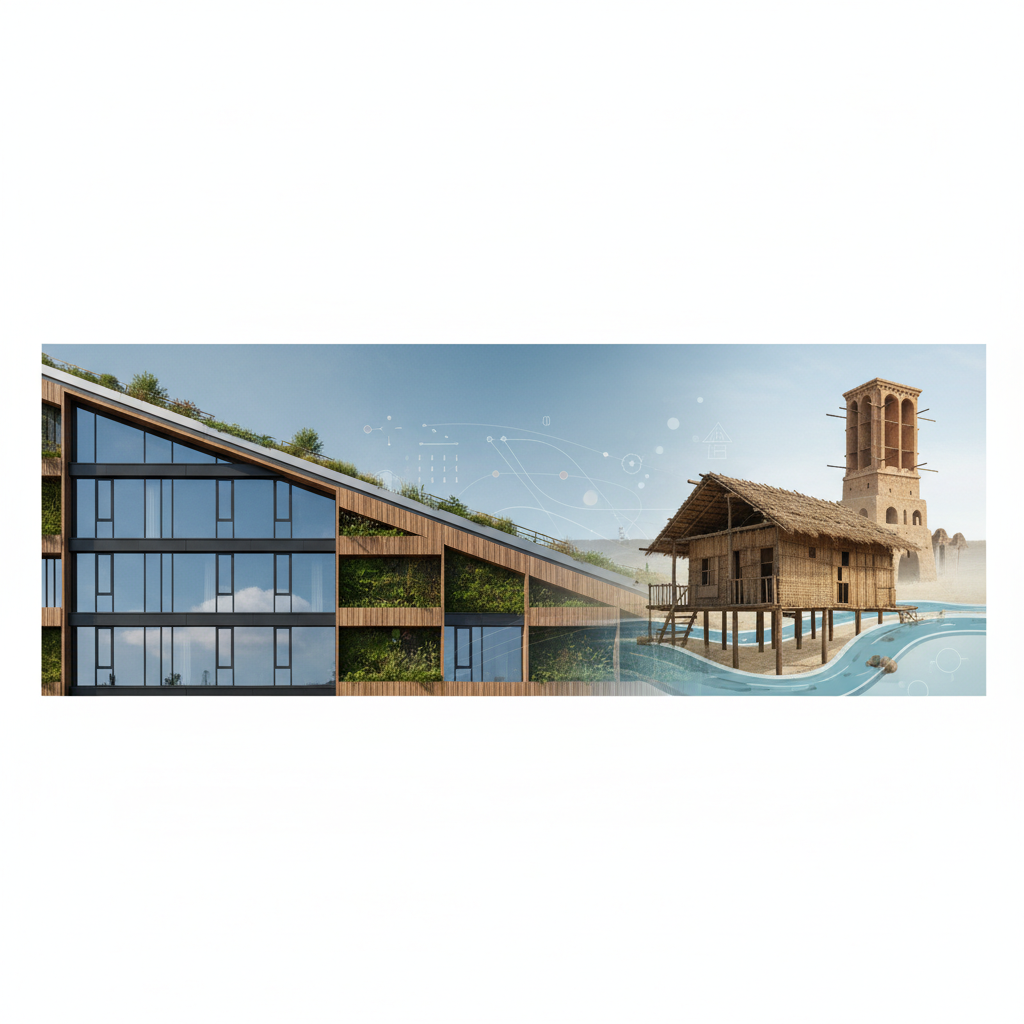
Adapting to the Elements: What Modern Urban Builders Can Learn from Climate-Resilient Design
Climate change is no longer a distant threat; it is happening right outside our front doors. From sudden, bitter cold snaps to unexpected summer heatwaves, our urban environments are facing extreme weather patterns that our older homes were simply not built to handle. As we look for ways to protect our families and our health from these shifting elements, we have a unique opportunity to blend modern scientific research with ancient wisdom. City dwellers are increasingly turning to top renovation companies toronto to upgrade their living spaces against these harsh new realities. Interestingly, the most effective strategies for modern urban building can be found by looking to the far North. By studying how Inuit communities have successfully adapted to some of the harshest climates on Earth for thousands of years, modern builders can learn vital lessons in climate-resilient design.
The Wisdom of the North: Traditional Inuit Knowledge in Modern Contexts
For millennia, Inuit communities have thrived in the Arctic by deeply understanding their environment. Traditional Inuit knowledge, or Inuit Qaujimajatuqangit, teaches that humans must adapt to the land rather than forcing the land to adapt to them. This philosophy is perfectly reflected in their traditional structures, such as the igloo and the qarmaq. These shelters were never designed to fight the elements; instead, they worked in harmony with the wind, snow, and cold to create safe, warm havens.
Furthermore, these traditional designs showcase an incredible mastery of thermal dynamics. The curved shape of an igloo deflects harsh winds, preventing structural damage and reducing heat loss. Inside, the layout strategically traps warm air where people sleep, while allowing heavy, cold air to sink away from living spaces. This is a brilliant, natural form of climate control that does not rely on mechanical systems or excessive energy consumption.
Today, modern building science is beginning to catch up to what Inuit elders have known for generations. As urban centers face more unpredictable and extreme weather, contractors are realizing that standard building practices are no longer enough. By integrating this traditional focus on harmony and natural thermal regulation with modern scientific research, builders can create urban homes that are far more resilient to the shifting climate.
Prioritizing Thermal Efficiency and Airflow
One of the most critical lessons modern builders can take from Inuit design is the delicate balance between thermal efficiency and healthy airflow. In the Arctic, trapping heat is a matter of survival, but doing so without proper ventilation leads to dangerous moisture buildup. Traditional Inuit shelters utilized small, strategic ventilation holes to allow humid air to escape while keeping the warmth inside. This prevented the interior from becoming damp and freezing.
In contrast, many modern urban homes struggle with this exact issue. Older houses often leak heat like a sieve, while newly sealed homes can trap stale air and moisture inside. When a home cannot breathe properly, it becomes a breeding ground for mold and mildew. This directly impacts human health, leading to an increase in asthma, allergies, and other respiratory issues, especially as climate change brings higher humidity levels and longer allergy seasons to our cities.
Therefore, urban builders are now using advanced scientific research to mimic the breathing capabilities of traditional northern shelters. By installing smart vapor barriers, high-quality insulation, and modern heat recovery ventilators, contractors can create a building envelope that is completely airtight yet perfectly ventilated. This modern approach, inspired by ancient survival techniques, ensures that urban homes remain warm, dry, and healthy regardless of the weather outside.
Building for Extreme Weather Resilience
As the climate changes, city infrastructure is being tested like never before. Urban areas are experiencing sudden deep freezes, torrential downpours, and intense heat domes. In the North, Inuit communities have always built with extreme weather in mind, carefully selecting locations and designs that can withstand blizzards and shifting ice. Now, they are adapting once again as climate change alters the permafrost beneath their feet.
Urban homeowners must adopt a similar mindset of proactive adaptation. We can no longer assume that our current roofs, foundations, and drainage systems will hold up against the storms of the future. Upgrading a home for climate resilience means looking at the structure as a whole. It involves reinforcing roofs against heavy snow loads, waterproofing basements against sudden floods, and upgrading windows to withstand high winds and extreme temperature fluctuations.
To achieve this level of durability in the city, it is crucial to work with professionals who understand both the science of modern building and the specific challenges of your local climate. For residents looking to fortify their homes, we highly recommend Toronto Home Renovation Contractors By Red Stone Contracting. Their skilled team understands how to apply resilient design principles to urban renovations, ensuring your home is prepared for whatever the changing climate brings.
The Health Impacts of Climate-Adaptive Homes
The connection between our environment, our homes, and our health cannot be overstated. A core focus of combining Inuit traditional knowledge with scientific research is understanding how climate change directly impacts human well-being. When extreme weather strikes, a poorly designed home can quickly become a health hazard. Drafty rooms lead to cold-stress and weakened immune systems, while poor heat management during the summer can cause dangerous heat exhaustion.
By applying climate-resilient design, we transform our homes into protective shields for our physical and mental health. A well-insulated, climate-adaptive house maintains a stable indoor temperature, reducing the physical strain on our bodies during extreme weather events. This stability is especially important for vulnerable populations, such as the elderly and young children, who are most at risk from sudden temperature shifts.
Moreover, knowing that your home can withstand severe weather provides immense peace of mind. The psychological toll of climate change—often referred to as eco-anxiety—is a growing concern. When you live in a space that has been thoughtfully renovated to handle the elements, you reduce the stress and worry associated with approaching storms. A resilient home fosters a healthier, happier family that is ready to face the future.
Sustainable Materials and Respecting the Environment
Another profound lesson from Inuit culture is the deep respect for the natural environment and the sustainable use of local resources. Traditional northern builders used materials provided by the land—such as snow, ice, stone, and animal hides—leaving virtually no carbon footprint. They took only what they needed and ensured that their structures eventually melted back into the earth without causing harm or pollution.
While urban builders cannot build high-rises out of snow, they can absolutely adopt this philosophy of sustainability. Modern climate-resilient design places a heavy emphasis on reducing environmental impact. This means choosing building materials that are locally sourced, recycled, or manufactured with low-carbon processes. It also involves designing homes that require significantly less energy to heat and cool, thereby lowering the household’s overall greenhouse gas emissions.
Ultimately, building resiliently is a cyclical process. By using eco-friendly materials and energy-efficient designs, we help mitigate the very climate change we are adapting to. It is a way of honoring the traditional knowledge that teaches us to live in balance with nature. When urban contractors prioritize sustainability, they are not just upgrading a single house; they are contributing to the health and longevity of the entire planet.
Conclusion: Bringing Northern Wisdom to Urban Streets
Adapting to a changing climate requires us to look both backward and forward. By respecting the time-tested traditional knowledge of Inuit communities and combining it with cutting-edge scientific research, we can fundamentally change how we build and renovate our urban spaces. We learn that a home should not fight the elements, but rather work in harmony with them to provide a safe, healthy, and efficient sanctuary.
As extreme weather becomes more common, taking proactive steps to upgrade your living space is no longer just an aesthetic choice; it is a necessity for your health and safety. Whether it is improving your thermal envelope, enhancing airflow, or fortifying your foundation against floods, these climate-resilient strategies will protect your family for decades to come.
If you are ready to embrace these forward-thinking design principles, it is time to consult with local experts who can bring these concepts to life. Reach out to Toronto Home Renovation Contractors By Red Stone Contracting to discuss how you can adapt your home to the elements and ensure it remains a safe haven through every season.